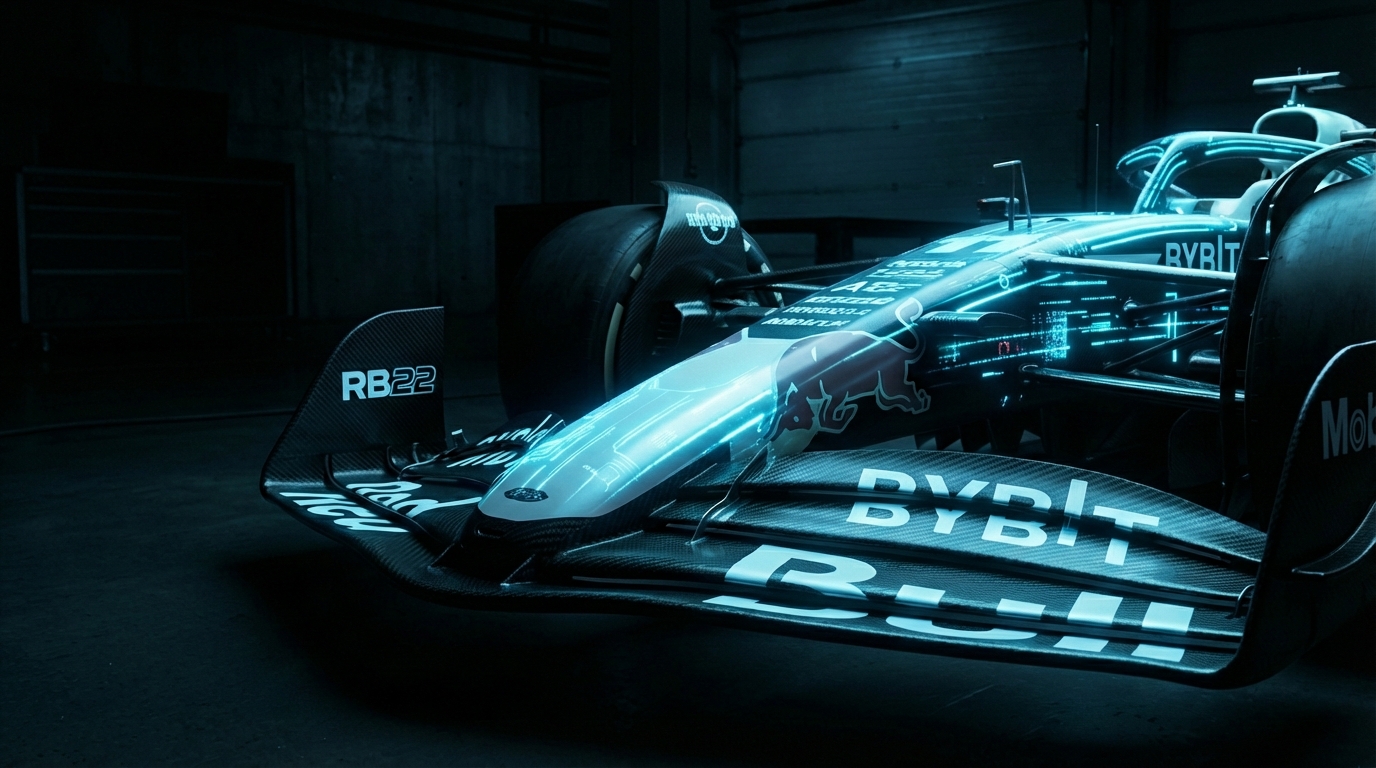
The Milton Keynes garage just hammered down its most vital piece of the 2026 puzzle. Oracle and Red Bull Racing officially Triggered a massive extension to their title partnership today. This isn’t just about sticking a logo on the engine cover—it is a calculated move to dominate the simulated world before the first wheel turns in 2026.
While rivals scramble for cloud computing scraps, Christian Horner has Seized a financial and technical fortress. Consequently, the team remains the wealthiest and most data-heavy outfit on the current grid.
The 2026 regulations require a terrifying amount of real-time simulation. Meanwhile, this specific deal Snatched the most advanced AI computing power away from potential competitors. Oracle is now deeply integrated into the Red Bull Ford Powertrains division.
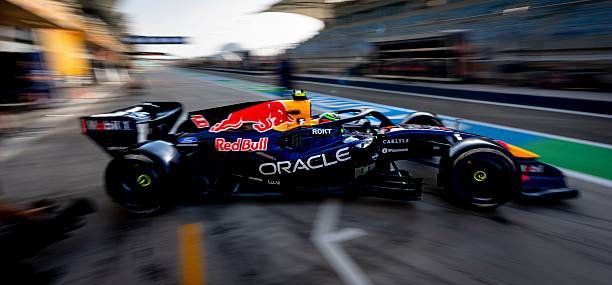
This is the most pivotal year for the team as they transition away from Honda. Crucially, the Oracle Red Bull partnership provides the processing power needed to manage the complex energy maps of the new 50/50 hybrid power units. Red Bull is no longer just a racing team—it is a software-defined powerhouse.
Navigating the AI logistical nightmare
The move effectively Seized the technical high ground before the Melbourne season opener. With 24 rounds spanning five continents, the strategy teams are under immense pressure. Crucially, Oracle’s cloud network allows the team to run strategy simulations 25% faster than they did last season. Consequently, the team can react to safety cars or rain mid-race with surgical precision.
This “digital twin” approach is the hidden “Active Authority” that has kept Red Bull at the front for years. The 2026 car is heavier—and the pressure to stay smart is immense.
Max Verstappen and Isack Hadjar lead the charge
The driver lineup is ready to exploit this digital edge. Four-time champion Max Verstappen has already spent hundreds of hours in the Oracle-powered simulators. Meanwhile, rookie Isack Hadjar has Crushed his performance targets during the winter testing sessions in Bahrain.
Both drivers rely on the “instant feedback” loops provided by Oracle’s cloud infrastructure. This technology allows the engineers to adjust the car’s energy recovery systems in mid-stint. The data loop between the track and Milton Keynes is now instantaneous.
This partnership is the final piece of the puzzle for the post-Newey era. Consequently, the pressure on the technical team to deliver a winning car has never been higher. The Oracle Red Bull partnership proves that Red Bull is still the most attractive destination for global tech giants. Meanwhile, the rest of the grid is left scrambling for whatever crumbs remain in the data market.