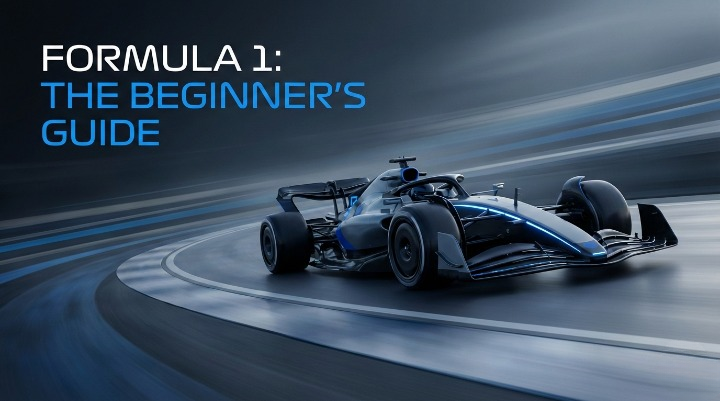
2026 is the perfect time to start watching Formula 1. With new engine regulations, sustainable fuels, and major technical changes, everyone—including veteran fans—will be learning together. If you’ve been curious about F1 but felt intimidated, this is your moment to jump in.
How F1 Race Weekends Work
Every race weekend follows the same structure:
Friday – Practice Sessions
Teams test their cars and drivers learn the track. Not critical to watch, but helpful for understanding who’s fast.
Saturday – Qualifying
This determines starting positions for Sunday’s race. Drivers get one flying lap to set their fastest time. Starting first (pole position) is a huge advantage. Qualifying is split into three rounds (Q1, Q2, Q3) where the slowest cars get eliminated each round.
Sunday – The Race
The main event. Drivers complete 50-70 laps depending on the track. First across the finish line wins. Races last about 90 minutes to 2 hours.
Understanding F1 Points and Championships
Driver’s Championship
- 1st place: 25 points
- 2nd place: 18 points
- 3rd place: 15 points Points continue down to 10th place Most points at season end wins the world championship
- Bonus Point: Fastest Lap awards 1 extra point (but only if you finish in the top 10)
This fastest lap point can be crucial in tight championship battles. Drivers often push hard in the final laps to steal this extra point, and teams sometimes pit their drivers specifically to attempt it.
Constructor’s Championship
Each team has two drivers. Their combined points determine the best team of the year.
The 10 F1 Teams You Need to Know
Current Top Teams:
- Red Bull Racing – Recent dominators, but 2026 changes everything
- Ferrari – Most iconic team in F1 history
- Mercedes – Won 8 consecutive championships (2014-2021)
- McLaren – Historic team making a strong comeback
Competitive Midfield:
- Aston Martin
- Alpine
- Williams
- Alfa Romeo (Stake F1)
- Haas
- RB (Red Bull’s junior team)
In 2026, new regulations mean any team could surprise. That’s what makes this season special.
Key Racing Terms Explained Simply
Overtake Mode: The new replacement for DRS starting in 2026. Unlike DRS which opened the rear wing, Overtake Mode gives drivers more control—they can use all the power at once for one big push, or split it up strategically across different parts of the lap.
- Pit Stop: When cars pull in to change tires. Takes 2-3 seconds. Teams can gain or lose positions based on timing.
- Tire Strategy: Teams choose between soft (fast but wear quickly), medium, and hard (slower but last longer) tires. Different strategies create exciting racing.
- Undercut/Overcut: Pit stop timing tactics to gain positions without overtaking on track.
- Safety Car: A car that slows everyone down when there’s danger on track. Bunches up the field and creates exciting restarts.
- Lap 1: Most chaotic moment. Cars are close together, positions change rapidly.
- Pit Stop Windows: Around laps 15-20 and 35-40, teams start changing tires. Watch for strategy battles.
- Final 10 Laps: Tension builds. Worn tires, fuel management, and championship pressure create drama.
Midfield Battles: Don’t just watch the leader. Positions 5-15 often have the best racing.
Penalties and Rules You’ll See Enforced
F1 has strict rules, and penalties can completely change races:
Track Limits: Drivers must keep their car within the white lines. Go off track too many times and you’ll get time penalties (usually 5 or 10 seconds added to your race time).
Racing Incidents: Causing a collision, dangerous driving, or unfair defending results in penalties. Stewards (racing judges) review incidents and decide punishments.
Common Penalties:
- 5-second time penalty (served during pit stop or added at race end)
- 10-second time penalty (for more serious offenses)
- Drive-through penalty (must drive through pit lane at slow speed)
- Stop-and-go penalty (must stop in pit box for set time)
- Grid penalties (start further back in next race)
What Makes 2026 Truly Revolutionary?
F1 is introducing 50% sustainable fuels and more powerful electrical systems. The combustion engine and electric motor balance shifts dramatically. Teams spent hundreds of millions developing these—but no one really knows who got it right until racing starts.
Cars will adjust their wings automatically for straights (less drag) and corners (more downforce). This is brand new to F1. It could shake up the competitive order completely.
F1’s last major regulation change (2022) was supposed to help smaller teams compete. Instead, Red Bull dominated even harder. But 2026 is different—it’s a power unit revolution, not just aerodynamics. Power units are harder to fix mid-season. If a top team gets their engine wrong, they could struggle for years.
This means 2026 might crown a surprise champion. The team that gets the new power unit right—whether it’s Ferrari, Mercedes, Red Bull, or an unexpected underdog—will have a massive advantage. As a new fan, you’ll witness something veteran fans haven’t seen in decades: true competitive uncertainty.
How to Watch F1 in 2026
Find Your Broadcaster: Check local TV listings or streaming platforms. Most regions have dedicated F1 coverage.
F1 TV: Official streaming service with live races, onboards, and replays (availability varies by country).
Race Calendar: 24 races from March to December across different continents and time zones.
Second Screen: Use the F1 app for live timing, driver positions, and strategy information while watching.
Why 2026 Is Perfect for Beginners
The new power unit regulations create uncertainty. Dominant teams might struggle. Underdogs could rise. Everyone starts fresh. As a new fan, you won’t be behind—you’ll be learning alongside everyone else.
F1 combines cutting-edge technology, human skill, strategic thinking, and global competition. The cars cost millions to develop. Drivers train like Olympic athletes. Engineers work at the edge of physics. All for a few tenths of a second advantage.
You don’t need to understand everything immediately. Watch your first race. Pick a driver with a cool helmet or team with colors you like. Let the speed and sound draw you in. Who are you gonna be rooting for?
The 2026 season represents a new era in Formula 1.Welcome to F1.

1 Comment