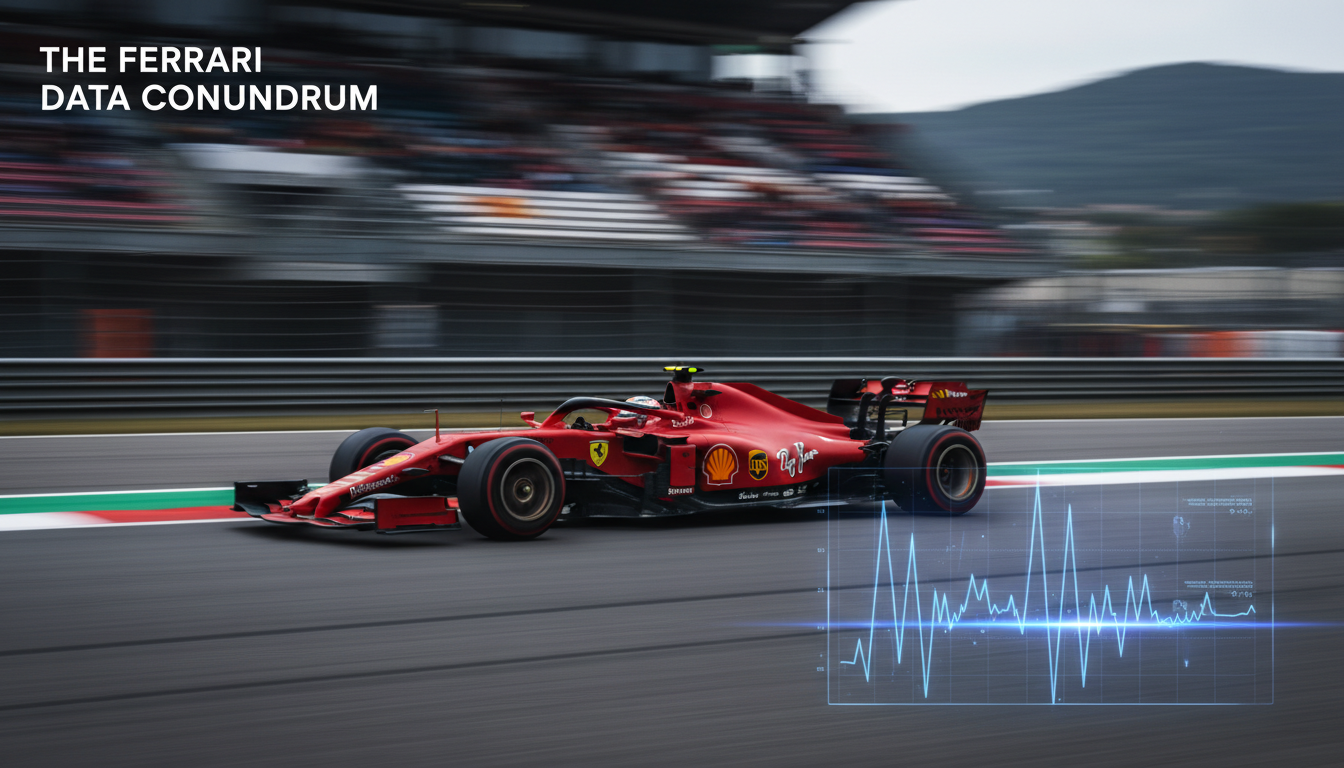
Despite Lewis Hamilton topping the timesheets at Barcelona’s pre-season shakedown test with a blistering 1:16.348, sources within Ferrari suggest the Scuderia’s internal data paints a more complicated picture. While the seven-time world champion’s headline lap time captured attention across the paddock, Maranello engineers are quietly analyzing Ferrari energy management metrics that raise questions about their 2026 hopes.
The Barcelona test marked the first public showing of F1’s radical new power unit formula, where electrical and combustion elements now split performance almost equally. Ferrari completed an impressive 440 laps between Hamilton and Charles Leclerc, second only to Mercedes’ 502. Yet beyond the lap counts and fastest times lies a deeper story about energy management challenges that could define Ferrari’s season before it truly begins.
Ferrari Energy Management Becomes the Primary Technical Challenge
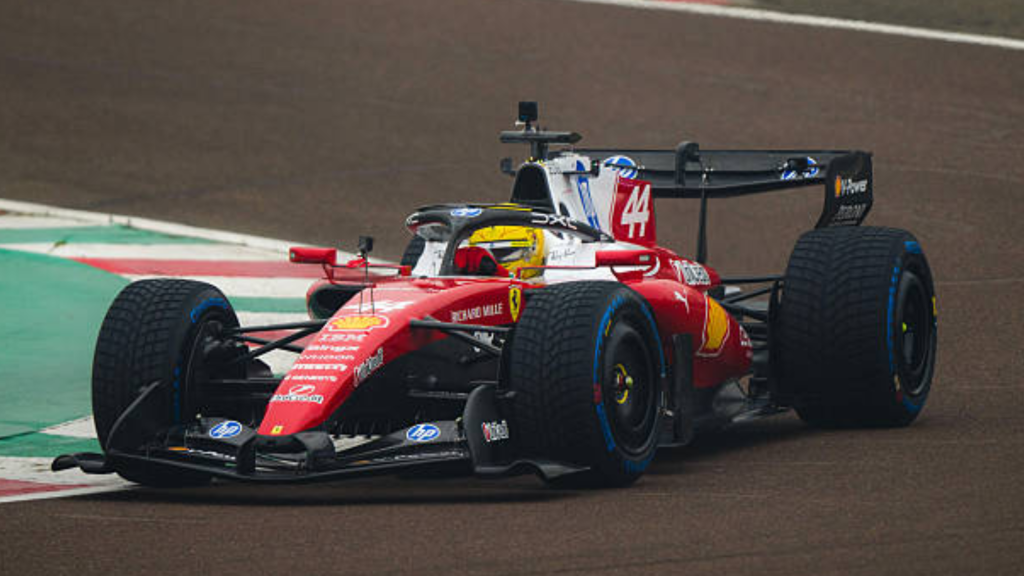
Ferrari’s technical team has identified energy management as a potential vulnerability following their comprehensive analysis of Barcelona testing data. The 2026 power unit regulations represent the most significant shift in F1’s hybrid era, eliminating the MGU-H system while maintaining the MGU-K and introducing sustainable fuels. This fundamental change means teams must master an entirely new energy deployment strategy throughout each lap. The 2026 technical regulations demand significantly more electrical energy management than any previous generation of F1 cars.
Ferrari’s Barcelona testing revealed specific scenarios where their energy management philosophy encountered difficulties, particularly in long-duration medium-speed corners that demand sustained electrical deployment without offering significant regeneration opportunities. Ferrari’s decision to use the same engine specification for the upcoming Bahrain tests demonstrates both confidence in reliability and an urgent need to gather more data before committing to development directions.
Hamilton’s Race Engineer Vacancy Adds Unexpected Pressure
While technical challenges dominate engineering discussions, Ferrari faces an equally pressing human element that threatens Lewis Hamilton’s integration. With Bahrain testing just days away, the Scuderia has still not announced who will replace Riccardo Adami as Hamilton’s race engineer following Adami’s transition to a different role within Maranello. Hamilton’s adjustment to new energy systems compounded the broader challenges surrounding his entire Ferrari move from Mercedes.
During Barcelona testing, Charles Leclerc’s race engineer Bryan Bozzi temporarily filled the void. However, the absence of a permanent partnership prevented Hamilton from beginning the intricate process of building communication protocols and mutual understanding that typically requires months to develop. Former F1 driver Karun Chandhok questioned why the decision wasn’t finalized in December when Hamilton’s move to Ferrari was already well underway.
Mercedes Sets the Benchmark While Ferrari Searches for Solutions
Mercedes’ dominance at the Barcelona shakedown extended beyond mere lap counts. The Silver Arrows completed 502 laps without major reliability concerns, positioning them as the team to beat heading into 2026. This reliability, combined with Mercedes’ reputation for power unit excellence throughout the hybrid era, creates a formidable challenge for Ferrari.
The performance differential between power units could prove more decisive than ever under the new regulations. With aerodynamics simplified and the engine now responsible for nearly 50 percent electrical power delivery, deficits in energy management will be nearly impossible to overcome through chassis development alone.
Hamilton must also contend with the psychological dimension of potentially competing on inferior machinery relative to his former team. The proximity of both Bahrain test sessions, scheduled for February 11-13 and February 18-20, provides Ferrari with a critical opportunity to iterate quickly based on real-world data.
Bahrain Testing Becomes Critical for Ferrari’s Season Preparation
The upcoming Bahrain tests carry exceptional weight for Ferrari’s 2026 campaign. Unlike Barcelona’s single shakedown session, Bahrain represents official pre-season testing where teams can validate development directions with higher confidence. For Ferrari, these sessions must accomplish multiple objectives simultaneously, from resolving energy management concerns to finalizing Hamilton’s race engineer situation and ensuring their power unit reliability holds across extended running.
Sakhir’s characteristics differ significantly from Barcelona, offering longer straights where energy deployment efficiency becomes paramount. Ferrari’s plan to use the same engine specification from Barcelona allows direct comparison while enabling targeted experiments with software and strategy approaches. With Melbourne’s season opener approaching rapidly, Ferrari has limited opportunity to implement major changes if Bahrain reveals persistent problems.
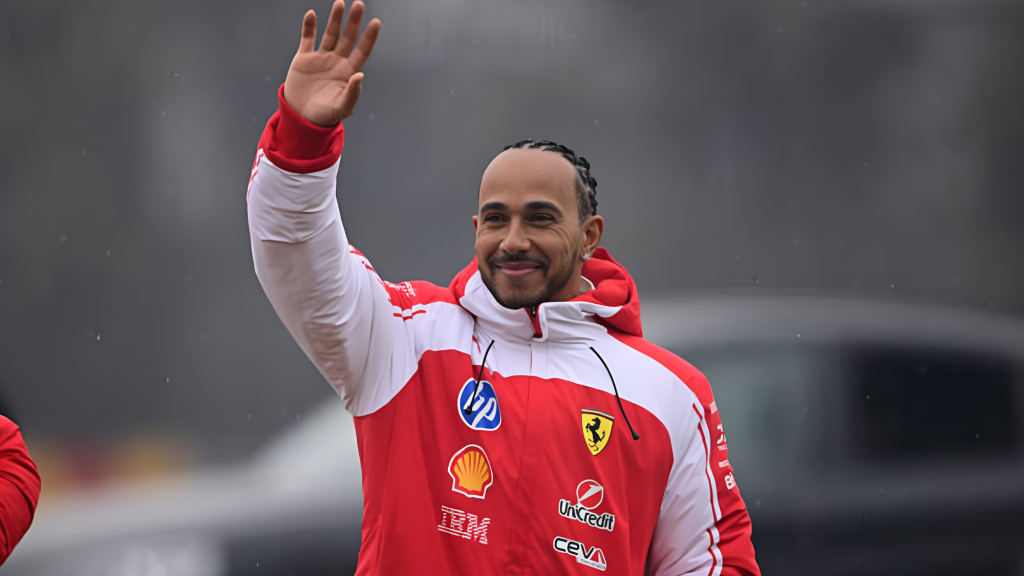
What Hamilton’s Second Ferrari Season Really Hangs On
As testing shifts to Bahrain, Lewis Hamilton faces a unique convergence of challenges that will define his second season with Ferrari. Technical questions about energy management combine with organizational uncertainties around his race engineer to create a situation demanding exceptional adaptability.
The coming weeks will reveal whether Ferrari’s concerns prove manageable or indicative of deeper problems requiring extended development time. For Hamilton, who moved to Ferrari seeking an eighth world championship that has eluded him since 2020, every testing session carries weight beyond typical pre-season preparation. Ferrari’s Barcelona data may have revealed worries, but Bahrain offers answers that will determine whether Hamilton’s dream of championship glory in red becomes reality or remains frustratingly out of reach.
Frequently Asked Questions
- Why is Ferrari struggling with energy management in 2026?
With the MGU-H removed, Ferrari’s power unit is struggling to harvest enough energy from braking (MGU-K) in medium-speed corners, leading to power loss on straights.
- Who will be Lewis Hamilton’s permanent race engineer at Ferrari?
While Bryan Bozzi covered the Barcelona test, Ferrari has yet to name a permanent replacement for Riccardo Adami, leaving Hamilton without a settled technical partner.
- Does Mercedes have a power unit advantage over Ferrari for 2026?
Yes; Mercedes completed 62 more laps than Ferrari in Barcelona with superior reliability and more efficient electrical deployment across long stints.