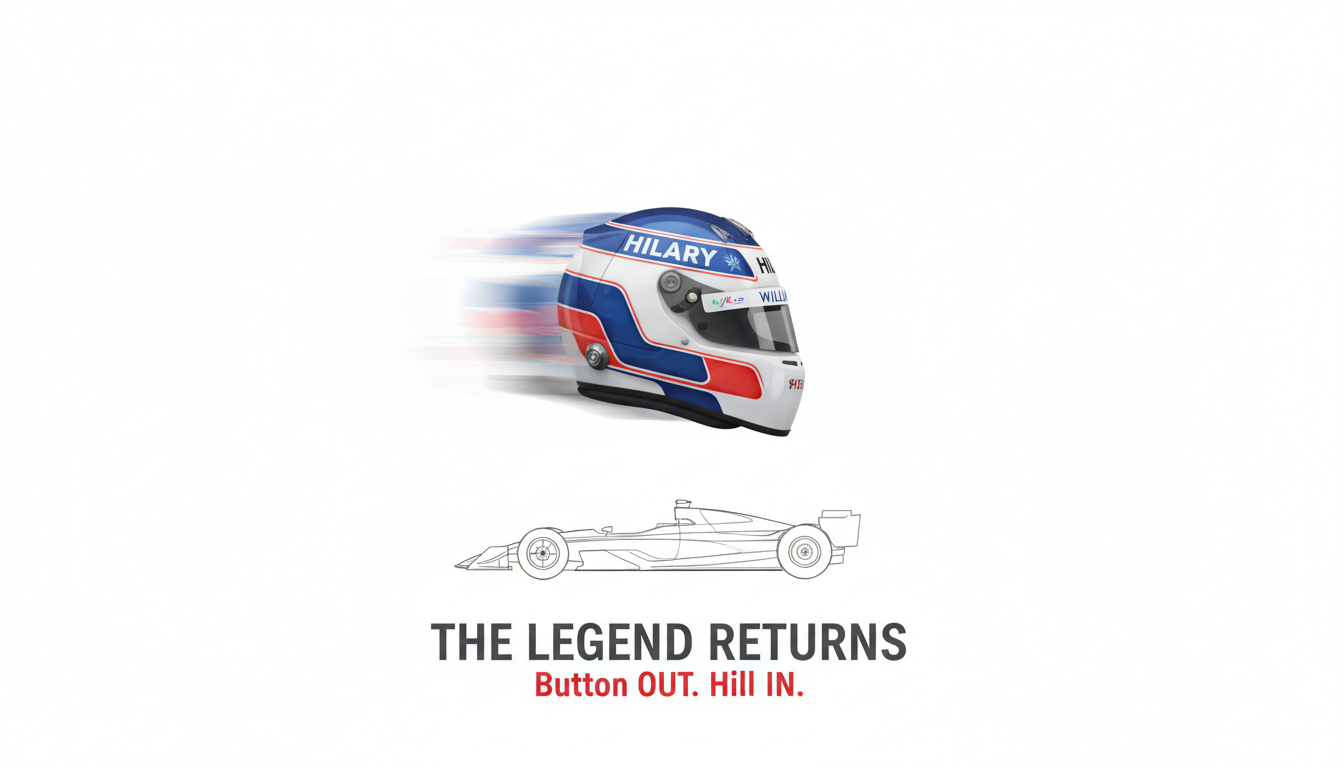
The peace at Grove was shattered this morning by the official news of the Damon Hill Williams return. Hill—the man who brought home the 1996 title has stepped back into the fold as a Senior Team Ambassador. Crucially, this move comes just weeks after Jenson Button deserted the squad for a rival role at Aston Martin. Consequently, the timing of this homecoming feels less like a celebration and more like a tactical rescue mission for a team in crisis.
To understand why this matters, you have to look at the history of these two British legends. Damon Hill is the son of two-time champion Graham Hill and remains a national hero for his 21 wins at Williams. Meanwhile, Jenson Button is the 2009 World Champion who started his F1 journey at Williams in 2000. For the last five years, Button served as a Senior Advisor at grove helping young drivers and steadying the ship during management changes.
Why Williams Needs a Legend Right Now
James Vowles knows that history alone does not win races—but it does steady a sinking ship. The Damon Hill Williams return serves as a vital shield against mounting pressure over the new FW48 chassis. Reports from Bahrain testing suggest the car is fighting significant weight issues despite official claims of a slim 772.4kg build. Subsequently, Vowles is leaning on Hill’s gritty experience to keep the garage focused while engineers scramble to shed grams.
Button did not just leave. He snatched a multi-year deal at Silverstone to join the Aston Martin Aramco project as their new Team Ambassador. This move reunites him with Honda—the engine partner that powered his greatest career moments. This defection exposed a clear divide in the paddock’s faith regarding Williams’ 2026 prospects. However, Hill’s presence provides immediate credibility to current stars Alex Albon and Carlos Sainz.
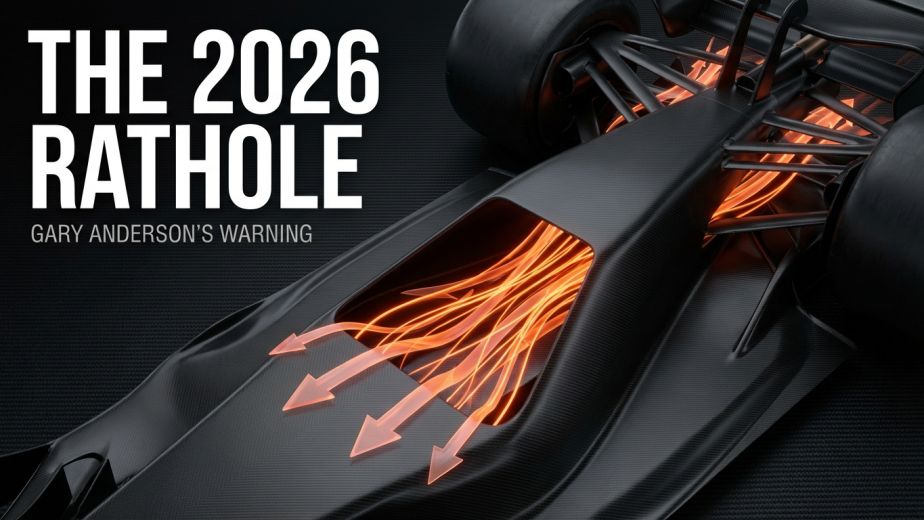
The internal pressure at Williams is reaching a boiling point. The 2026 engine regulations have forced every team to redesign their cars from scratch. Williams—now a Mercedes customer—is finding the integration of the new power unit extremely difficult. Rumors suggest the cooling packaging on the FW48 is causing aerodynamic “choking” at high speeds. Therefore, Hill’s role will involve more than just shaking hands—he must help the drivers stay mentally sharp as they fight a difficult car.
Why This Move Matters
The Damon Hill Williams return is far more than a sentimental PR play. Hill takes on an official role—joining 1997 champion Jacques Villeneuve and Jamie Chadwick in a high-powered advisory group. He will mentor the next generation—specifically working with F1 Academy standout Jade Jacquet. The 65-year-old effectively bridges a massive gap between the team’s heritage and its uncertain 2026 future.
- Hill offers a direct link to the winning culture of the 1990s era.
- He will provide hands-on guidance for the Williams Driver Academy.
- His technical eye adds a layer of scrutiny to the FW48 development.
- The 30th anniversary of his title provides a powerful commercial story.
- He replaces Button’s marketing flair with genuine racing authority.
- Hill will act as a primary liaison between the technical office and the owners.
- His experience with active suspension in the 90s helps with 2026 active aero.
Williams enters 2026 on the back foot compared to a surging Mercedes. Testing data shows the FW48 is nearly two seconds off the pace-setting Silver Arrows. Ultimately, the team must fix its active aero glitches and weight distribution before the lights go out in Australia. Hill’s return is a clear signal that Williams is done playing nice and is ready to fight for its survival.
The battle for the midfield has never been more expensive or more dangerous. With Button gone to a direct rival, Williams had to respond with a name that carried even more weight. Hill is that name. His return marks the end of the “Button era” at Grove and the start of a much more aggressive, heritage-focused chapter.