
Every time Formula 1 introduces major new regulations, the opening race delivers chaos. That pattern has never broken. The Australian GP 2026 carries the biggest rule change in over a decade.
Consequently, new cars, new power units and entirely new aerodynamics converge at a circuit nobody fully understands yet. Melbourne is about to produce the most unpredictable season opener in years. Albert Park itself carries surprises that most first-time viewers never expect.
New Regulations Always Scramble the Opener
History proves the pattern ruthlessly.
The 2014 regulation shift saw Mercedes crush the field. Red Bull crumbled into midfield misery overnight. The 2022 ground effect era handed Ferrari an early lead before reliability failures destroyed their entire campaign. Consequently, every major rule reset punishes the teams that adapted slowest.
Melbourne 2026 follows that exact script. Nobody has ever escaped the chaos of a regulation reset.
These Cars Remain a Complete Mystery
Pre-season testing in Bahrain revealed raw speed. However, it also exposed instability across the entire grid.
Here is what makes the 2026 cars fundamentally different from anything the grid has ever raced.
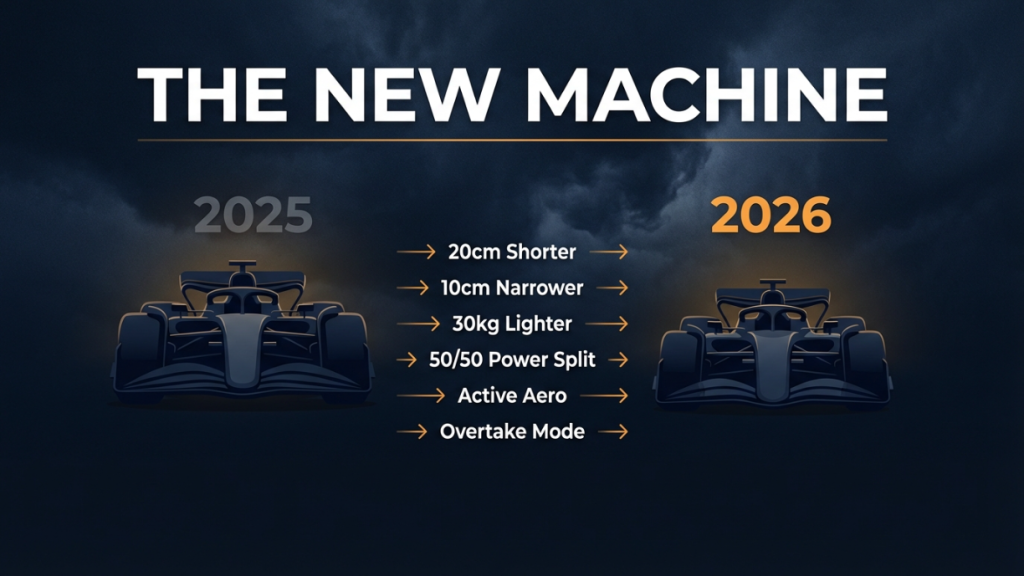
- The cars are 20cm shorter, 10cm narrower and 30kg lighter. They look different. They drive different. Teams are still figuring out basic setup balance heading into Melbourne.
- The 50/50 power split between combustion and electric energy creates a driving challenge no current driver has ever faced in a real race. Throttle feel alone changed dramatically.
- Teams spent testing calibrating energy maps rather than chasing outright lap times. Nobody truly pushed for maximum performance. Everyone was hiding.
- Active aerodynamics with movable front and rear wings add a layer of complexity that even veteran engineers describe as overwhelming.
- Every single team arrives in Melbourne still learning how their own car truly behaves under pressure.
Testing pace and race pace are completely different animals. Sunday will expose who understood their machinery and who was bluffing.
Overtake Mode Has Never Faced a Real Race
The old DRS system is gone. The system it replaced had defined F1 overtaking for over a decade. Overtake Mode now steps in with far greater complexity.
Drivers within one second of the car ahead can activate full electrical power up to 340km/h instead of the usual 290km/h limit. Crucially, nobody has tested this system outside controlled pre-season environments. Nobody knows how 22 drivers will manage energy deployment under genuine wheel-to-wheel pressure.
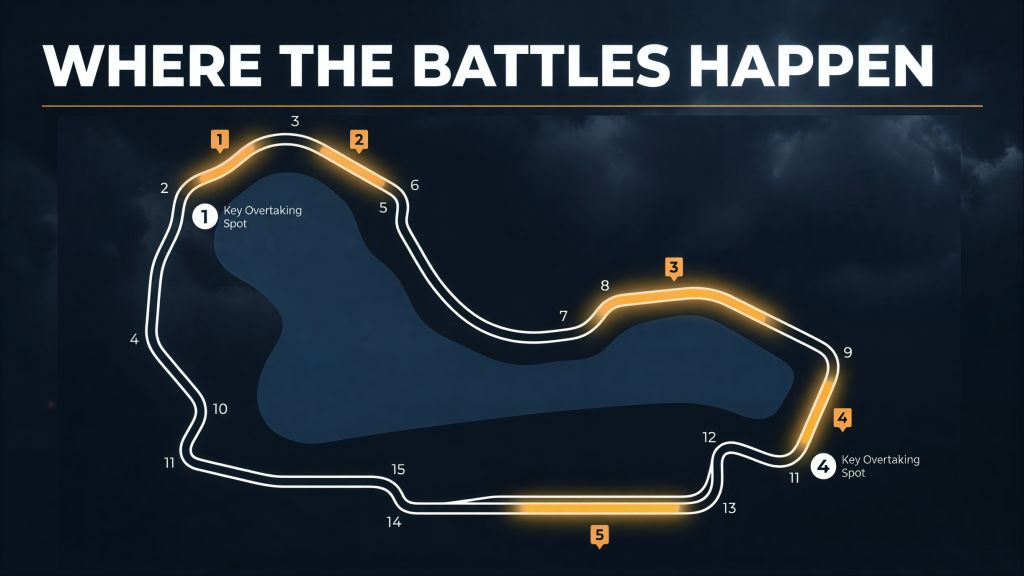
Batteries will drain at the worst possible moment. Overtakes will stall mid-move when energy runs dry. Defensive drivers will exploit energy advantages in ways nobody has planned for yet.
That unpredictability alone guarantees drama.
Twenty-Two Cars and a Weather Bomb
Two massive variables collide at Melbourne simultaneously. The grid and the sky.
The grid expanded to 22 cars with Cadillac’s arrival as the eleventh team. Cadillac’s F1 entry already forced the FIA to restructure qualifying elimination formats across every race weekend. Additionally, more cars flooding through Albert Park’s tight opening corners means significantly more risk at Turn 1. Moreover, pit strategy windows become far harder to calculate with 22 cars spread across wildly different approaches.
More cars. More contact. More safety cars. The Melbourne grid just became a minefield. Then there is the weather.
Forecasters expect thunderstorms, heavy rain and flash flooding near Melbourne in the days before the weekend begins. Furthermore, wet conditions during a new regulation year create a lottery that no simulation can predict. Pirelli barely tested the 2026 tyres in wet conditions after cancelling its Bahrain rain test over security concerns. The Bahrain tyre test cancellation left a significant gap in wet-weather data heading into the opening rounds.
Consequently, if rain hits on Sunday, every team faces conditions that almost nobody on the grid has genuinely prepared for. Wet races during new regulation years produce legendary results. Melbourne could add another chapter to that list.
The Prediction Nobody Wants to Hear
Mercedes looked strongest during pre-season testing. However, the Australian GP 2026 could expose even them under real race pressure.
The bold prediction is simple.
A team outside the traditional top four finishes on the podium at Melbourne. The regulation reset tightened the grid far more than anyone admits publicly. Furthermore, energy management mistakes from leading teams will open doors that hungrier midfield runners seize without hesitation.
The Australian GP 2026 will not follow the expected script. It never does when regulations change this dramatically.
Melbourne punishes certainty. It rewards those brave enough to embrace the unknown. Bookmark this page. Return on Sunday night. Nobody is truly ready for what is coming.


1 Comment